UFC Underdog Betting: When the Long Shot Is the Smart Bet
 Available in US

The UFC Produces More Upsets Than Oddsmakers Want You to Think
One of the best bets I ever placed was a +280 underdog in a lightweight fight that everyone expected to be a lopsided grappling clinic. The favourite was a decorated wrestler, the underdog a lanky striker with a suspect chin — on paper. What the line missed was that the underdog had spent three months drilling sprawls and cage positioning specifically for this matchup, and his reach advantage of six inches would make the favourite’s entries miserable. He won by unanimous decision. That single bet paid more than my previous four winning favourites combined.
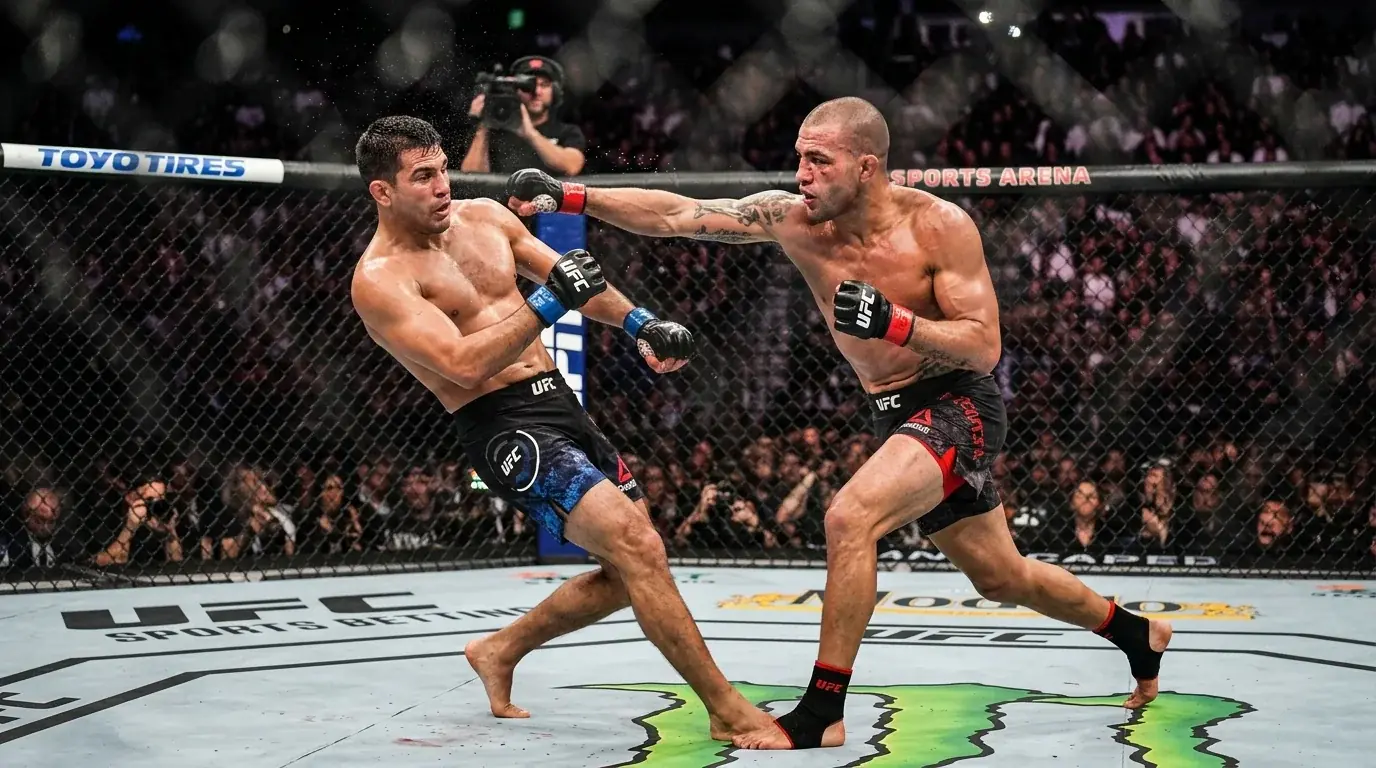
The UFC’s overall finish rate of 53% tells you something fundamental about combat sports: the unexpected happens often. One clean shot changes everything. A mistimed level change gets caught in a guillotine. An ill-advised clinch leads to a trip and three minutes of ground control that swings the scorecards. MMA is a higher-variance sport than football, basketball, or tennis, and that variance systematically benefits underdog bettors who know where to look.
See also: dive into division-specific trends with our lightweight betting analysis.
Historical Underdog Win Rates in UFC
Across the UFC’s modern era, underdogs win approximately 35-40% of the time depending on how you define the line. That figure itself is not extraordinary — in the NFL, underdogs cover the spread at a similar rate. What makes MMA different is the distribution. When an underdog wins in UFC, they frequently win by finish, which means the upset is total rather than marginal. There is no “covering by a field goal” in the octagon. The underdog either wins the fight or does not, and the payout reflects the full magnitude of the upset.
Lightweight is an interesting case study. With 48% of fights going to decision, upsets in the 155-pound division tend to happen on the scorecards after closely contested rounds rather than through dramatic finishes. This makes lightweight underdogs particularly appealing because the path to an upset does not require a single spectacular moment — it requires consistent round-by-round competitiveness, which is harder for bookmakers to price accurately when the fighters are closely matched in skill but separated by reputation.
Five Criteria for Identifying Profitable UFC Underdogs
After tracking hundreds of underdog bets across nine years, I have distilled my selection process to five criteria. Not every profitable underdog meets all five, but the more boxes a pick ticks, the stronger my conviction.
First: a clear stylistic path to victory. The old saying “styles make fights” is a cliche because it is true. A striker facing a grappler who cannot close distance, a wrestler meeting someone who tires in the later rounds, a counterpuncher against a reckless brawler — the underdog needs a concrete mechanism for winning, not just hope. I ask myself what the underdog does well and whether the favourite is specifically vulnerable to that skill. If the answer is vague, I pass.
Second: the underdog has faced comparable or higher-level opposition recently. A fighter whose last three bouts were against top-fifteen opponents is a different proposition from one who padded their record in a regional promotion. The bookmaker’s model accounts for record, but it often underweights the quality of opposition, particularly for fighters who took tough losses against elite competition before drawing a lower-ranked opponent where they are listed as the dog.
Third: the line has moved against the underdog since opening. When public money pushes a favourite from -200 to -280 without new information, the underdog’s price inflates beyond what the opening line — which is typically sharper — suggested. That price inflation is artificial value, and I want to be on the receiving end of it.
Fourth: the heavyweight division’s 50% KO/TKO rate applies in reverse. In divisions with high finish rates, the underdog needs only one moment. A heavyweight underdog at +250 who carries genuine power needs to land one clean shot, and the divisional data confirms that power is rewarded at heavyweight more than anywhere else. The favourite cannot afford a single lapse.
Fifth: motivation and circumstances. Short-notice replacements, fighters who have publicly complained about pay, athletes returning from long layoffs — contextual factors that are hard to model but easy to observe. These situations do not guarantee an underdog win, but they introduce additional uncertainty that the bookmaker’s line may not fully capture, which pushes the true probability closer to the underdog’s price. For a broader strategic framework on how underdog selections fit within a data-driven approach, that guide covers the full picture.
See also: ufc betting tips for underdog spots across all weight classes.
Which Weight Classes Produce the Most Upsets
Heavyweight is the volatility king. When both fighters carry fight-ending power and over half the bouts end in KO/TKO, the range of possible outcomes is wider than in any other division. A heavyweight underdog at reasonable odds is rarely a terrible bet because the inherent chaos of the division compresses the gap between favourite and underdog more than the moneyline often reflects.
Women’s divisions present a different underdog dynamic. With 59% of finishes coming by submission, the upset pathway often runs through the ground game rather than through striking. A women’s flyweight underdog with an active submission game can steal a fight that she is “losing” on the feet if she secures one takedown and locks in a choke. The bookmaker prices the favourite’s striking advantage but may undervalue the underdog’s ground threat, creating a method-specific value angle even when the straight moneyline does not offer enough edge.
Lightweight and welterweight, with their deep talent pools and high decision rates, produce the most “technical upsets” — fights where the underdog wins a close decision after competitive rounds. These divisions reward patient underdog betting on fighters who are underrated because they lack highlight-reel finishes but consistently outwork opponents over fifteen minutes.
Do underdogs win more often in UFC than in boxing?
UFC underdogs win at a notably higher rate than boxing underdogs, primarily because MMA involves more disciplines and more paths to victory. A boxer can only punch, but an MMA fighter can switch between striking, wrestling, and submissions, which creates more opportunities for an underdog to exploit a specific weakness. The smaller gloves and open-fingered format also increase finishing probability, adding variance that benefits the longer-priced fighter.
At what odds range are UFC underdogs most profitable?
Historical data suggests the most consistently profitable range for UFC underdogs sits between +150 and +300 in moneyline terms, or approximately 2.50 to 4.00 in decimal odds. Below +150, the risk-reward ratio compresses. Above +300, the probability of winning drops enough that even the inflated payout struggles to compensate over a large sample.
Should I always bet UFC underdogs on the moneyline or method of victory?
It depends on your thesis. If you believe the underdog wins but are uncertain about the method, the moneyline is the cleaner expression. If your analysis identifies a specific finish path — for example, a submission specialist against a fighter with poor grappling defence — the method of victory market may offer a higher-value price for the same underlying prediction. Match the market to the specificity of your conviction.
Written by the editors at ufc Betting Tips.