UFC Fight Night Betting Tips: Why These Cards Deserve Your Attention
 Available in US

Fight Nights Get Less Attention — Which Is Exactly Where Bettors Find Value
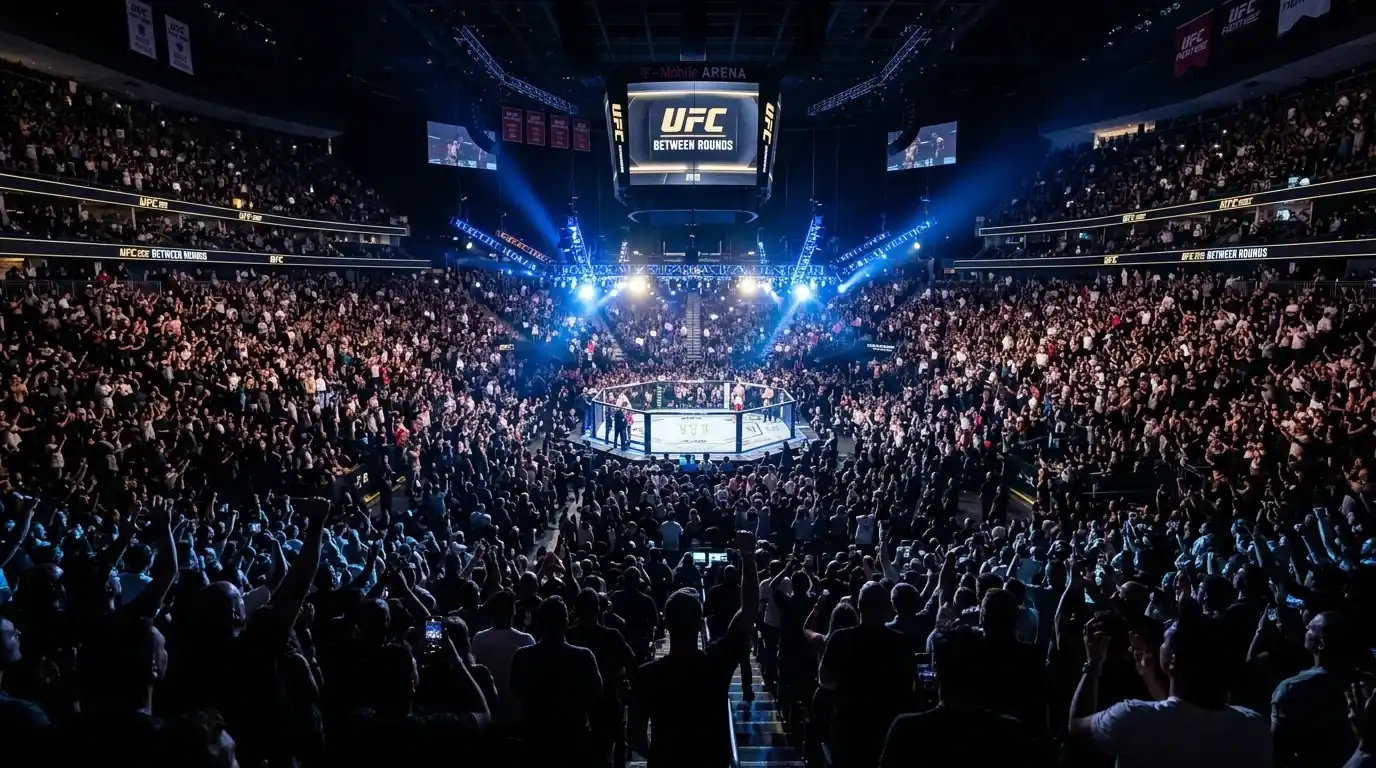
The biggest single-night profit in my nine years of UFC betting did not come from a stacked numbered event. It came from a Fight Night card in February 2023 that most of my betting circle skipped entirely. The card had no title fights, no ranked headliner, and next to no social media buzz. The odds were soft across the board because nobody was paying attention — and that is precisely the point.
Fight Night cards are the UFC’s workhorse events. They run nearly weekly, they fill the schedule between the marquee numbered cards, and they generate a fraction of the betting handle. The MMA handle hit $10.3 billion in 2024, but that volume is overwhelmingly concentrated on pay-per-view-tier events. Fight Nights attract thinner markets, less sharp money, and — as a direct consequence — less efficient pricing. For bettors willing to do the work on fighters the public ignores, these cards offer consistently better value than any UFC 300 ever will.
See also: check whether backing chalk pays off in our favourites win rate study.
How Fight Night Cards Differ From Numbered Events
The structural differences between Fight Night and numbered events go beyond star power. Understanding those differences is essential for adjusting your betting approach.
Numbered UFC events — historically the pay-per-view cards, now the flagship events under the $7.7 billion Paramount deal — feature championship bouts, ranked contenders, and fighters with established betting markets. The main card typically has five fights between well-known opponents, and the odds are shaped by weeks of media coverage, public betting action, and sharp money flowing into the market from professionals.
Fight Night cards are built differently. The main event is usually a five-round non-title fight between fighters ranked in the 5-15 range, or an unranked bout between emerging talent. The undercard is deeper — often 12-14 fights compared to 10-12 on numbered events — and populated with fighters who have smaller public profiles, shorter UFC records, and less available data. The prelims are where regional prospects make their case for staying on the roster.
From a betting perspective, this structure creates two advantages. First, the odds on Fight Night main cards are less refined because bookmakers receive less betting volume to calibrate against. The line-setting process relies more heavily on the bookmaker’s initial assessment and less on market correction from sharp action. Second, the depth of the card provides more bettable fights at wider odds than a numbered event where the top five fights attract 80% of the handle and are priced within pennies of fair value.
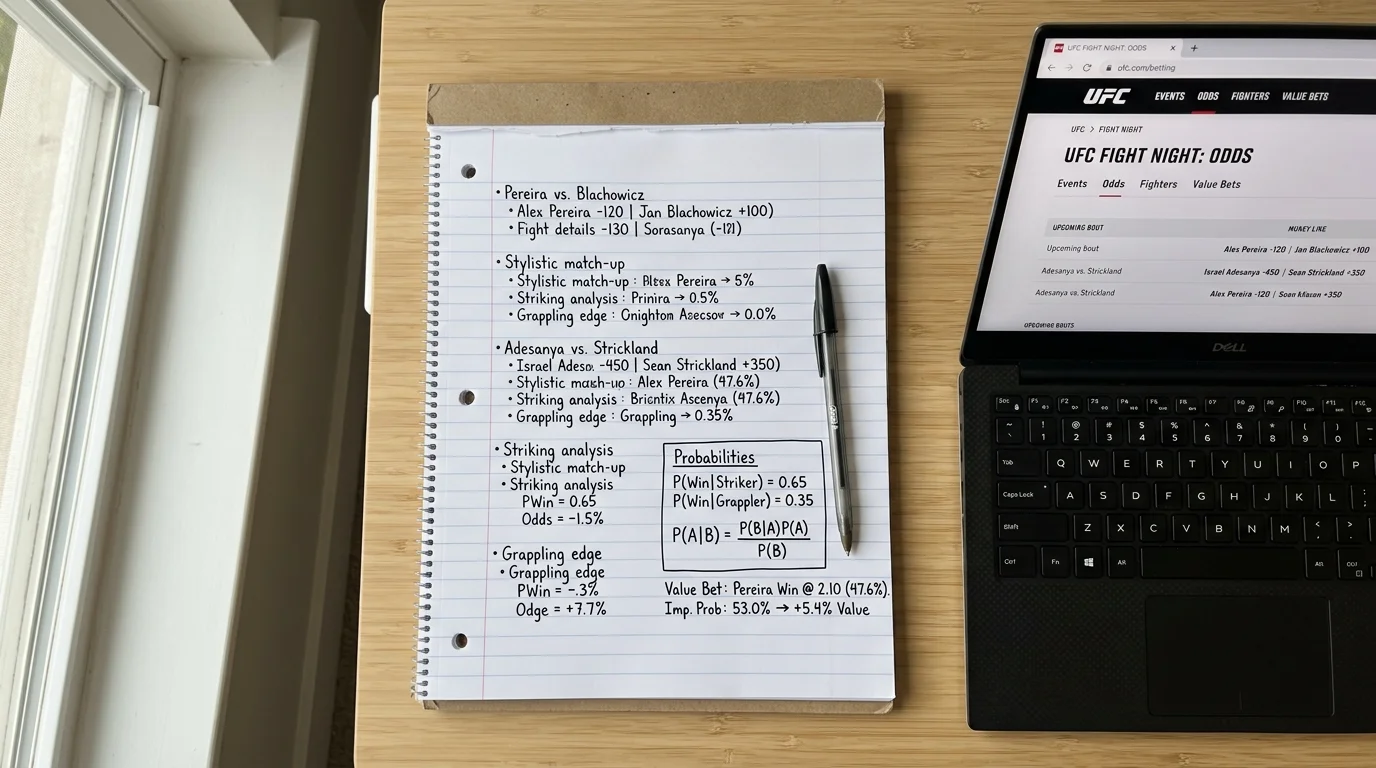
I approach Fight Night cards with a different mindset than numbered events. On numbered cards, I am looking for narrow edges in well-priced fights. On Fight Nights, I am looking for mispriced fights — bouts where the market has not done enough work to find the right number. The former requires precision. The latter rewards effort.
Odds Patterns on Fight Nights: More Underdogs, Wider Lines
After tracking odds movements across Fight Night and numbered events for four full seasons, the pattern is unmistakable. Fight Night favourites close at slightly wider odds than comparable favourites on numbered cards. The -200 favourite on a numbered event would be -180 on a Fight Night, all else being equal. That 20-point difference represents softer pricing driven by lower betting volume and less market scrutiny.
The underdog hit rate on Fight Nights runs 2-4% higher than on numbered events. Part of this is selection bias — Fight Night matchups are inherently closer because the UFC is not pairing a champion against a significant underdog the way they do on marquee cards. But part of it is genuine market inefficiency. The UFC’s overall finish rate of 53% applies equally across both card types, but the public’s attention does not, meaning Fight Night odds underreact to genuine upset potential.
Specific patterns I track: late replacement fights on Fight Nights carry even softer odds than on numbered events, because the already-thin market contracts further when the matchup changes. Fighters on Fight Night main events who are coming off losses — particularly decision losses — are consistently undervalued, because the public treats a loss as more damaging to a fighter’s calibre than the data supports. And prelim fights where both competitors have fewer than five UFC bouts produce the widest lines of all, because the sample size of data available to the market is smallest.
None of this means every Fight Night underdog is a good bet. It means the pool of potential value is larger and more accessible than on cards where the entire betting public is engaged.
Fight Nights in the Paramount Era: What’s Changed
The UFC’s transition from the ESPN/PPV model to the Paramount deal restructured how Fight Night cards reach audiences. Under the old model, Fight Nights aired on ESPN+ to a dedicated but relatively small audience. Under the new deal, Fight Nights rotate between Paramount+, CBS Sports Network, and occasionally CBS itself — the network that pulled 2.47 million viewers for the UFC’s debut broadcast in March 2026.
For bettors, this shift has mixed implications. Greater visibility means Fight Night cards will gradually attract more public betting money, which will tighten odds and reduce the inefficiency that currently makes them attractive. The process is already underway — I have noticed lines on Fight Night main events moving more aggressively in fight week than they did 18 months ago, which suggests sharper market activity driven by the expanded audience.
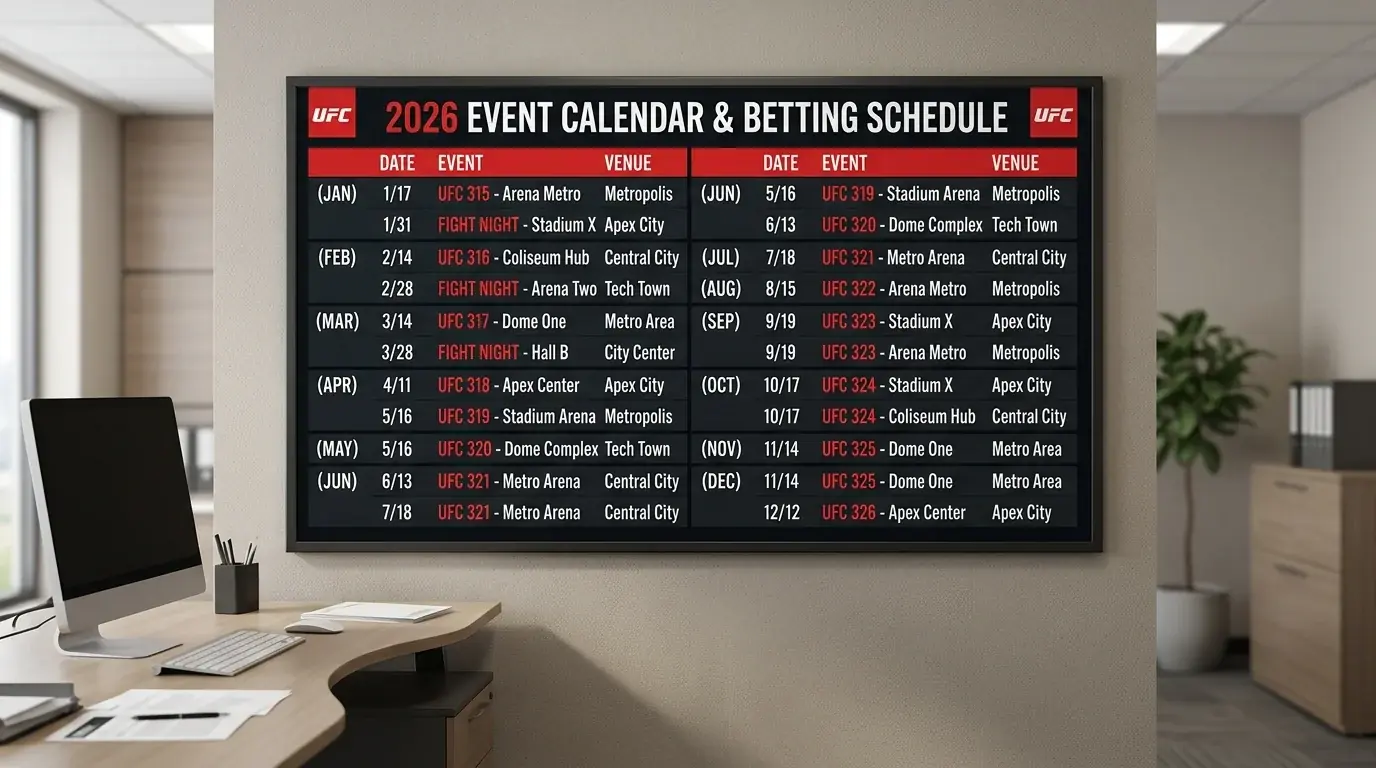
At the same time, the Paramount era has increased the frequency of Fight Night cards. The UFC is scheduling more events per year to feed the content demands of the broadcast partnership, which means more cards, more fights, and more opportunities to find value. The prelims, in particular, remain relatively untouched by increased viewership — most casual fans tune in for the main card, leaving the early fights as the last genuinely inefficient betting market in the UFC.
My advice for 2026: pay attention to every Fight Night card, even the ones that look dull on paper. The visual appeal of a card and its betting value are often inversely correlated. The less exciting the card looks, the less attention it gets, and the more room there is for sharp bettors to operate without competition.
See also: ufc betting tips for Fight Night and PPV event coverage.
UFC Fight Night Betting Questions
Are Fight Night cards better for betting than numbered UFC events?
Fight Nights typically offer softer odds and more pricing inefficiency because they attract less public betting volume and less analytical attention from sharp bettors. Numbered events have tighter markets driven by higher handle and media coverage. For bettors willing to research lesser-known fighters, Fight Nights often provide better overall value.
Do underdogs win more often on UFC Fight Night cards?
Underdog win rates on Fight Nights run approximately 2-4% higher than on numbered events. This reflects both closer matchmaking — Fight Night bouts are often between similarly ranked or unranked fighters — and genuine market inefficiency from lower betting volume. The effect is most pronounced in prelim fights with limited fighter data.
Are prelim fights on Fight Nights worth betting on?
Prelim fights represent the least efficient betting market in the UFC, particularly when both fighters have fewer than five UFC bouts. The limited data available to bookmakers means odds are more likely to be mispriced. However, the same data limitation applies to your analysis, so bet selectively and with smaller units than you would on well-established matchups.
Written by the editors at ufc Betting Tips.