UFC Bankroll Management: Sizing and Protecting Your MMA Fund
 Available in US
Table of Contents

MMA Volatility Destroys Bankrolls Faster Than Any Other Sport
I lost 40% of my betting bankroll in a single UFC card in 2019. Not because my analysis was wrong — three of my four picks were objectively sound — but because I had no staking discipline and loaded up on a night that produced three first-round finishes nobody saw coming. That evening taught me more about bankroll management than any strategy guide ever could.
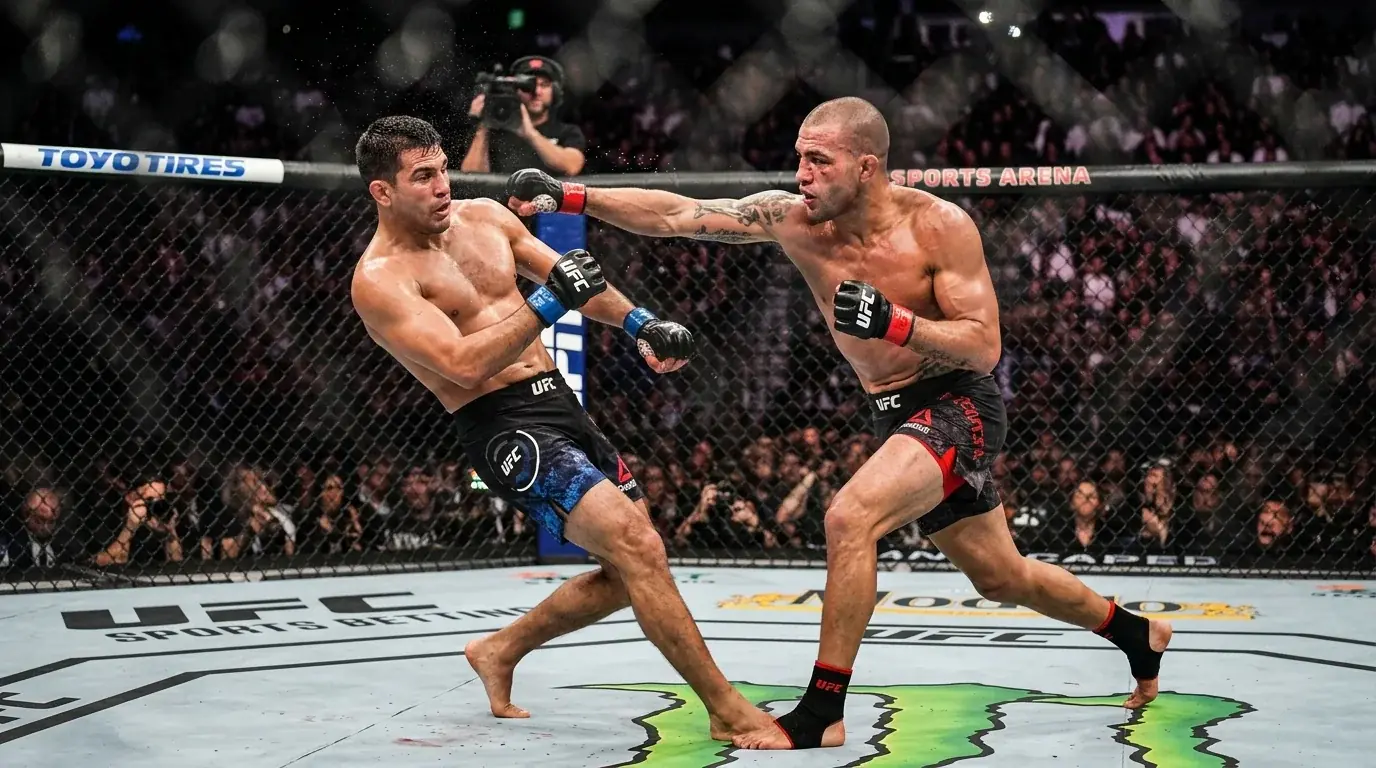
The UFC’s 53% finish rate is not just a talking point for method of victory markets — it is a structural volatility warning. In football, the favourite wins often enough that even sloppy staking can survive a bad weekend. In MMA, a single flash knockout erases an entire week of careful analysis. The sport is inherently more volatile than team sports, and your bankroll strategy must reflect that reality. Among UK men aged 18-34, MMA betting is growing rapidly — 15% of men in the UK place sports bets — and many enter the market with staking habits borrowed from football that simply do not survive UFC-level variance.
Bankroll management is not about limiting fun. It is about staying in the game long enough for your edge to compound.
See also: ufc betting tips for responsible and profitable MMA wagering.
Setting Your UFC Bankroll: Starting Capital and Unit Size
When I speak to newer bettors, the first question is always the same: how much should I start with? The honest answer is uncomfortable — start with an amount you can lose entirely without it affecting your life. For most UK punters, that is somewhere between £200 and £1,000.
Once you have your bankroll, divide it into units. A unit is your standard bet size, and for MMA I recommend 1-2% of your total bankroll per wager. That means a £500 bankroll gives you a standard unit of £5-£10. It sounds small. It is meant to. In a sport where 15% of men in the UK bet on sport and the average recreational bettor stakes far too much per bet, undersizing is the single most effective risk management tool available.
The 1-2% rule exists because of drawdown math. If you stake 5% per bet — a common recommendation in football betting guides — and hit a losing streak of eight bets (which happens routinely in MMA over a season), you have lost 40% of your bankroll. At 2% per bet, the same streak costs you 16%. The difference between those two numbers is often the difference between continuing to bet rationally and chasing losses emotionally.
I use a tiered system: 1 unit for standard confidence bets, 1.5 units for strong analytical edges, and 2 units maximum for situations where my model shows a significant gap between my assessed probability and the market price. I never exceed 2 units on any single fight, regardless of how confident I am. The UFC has taught me — painfully — that confidence and correctness are not the same thing.
Your bankroll should be a dedicated fund, separate from everyday spending money. I keep mine in a separate e-wallet that I top up quarterly. If the fund hits zero, I wait until the next quarter. This separation prevents the most common recreational mistake: reaching into personal finances after a bad card to “make it back.”
Managing Drawdowns: When to Pause and When to Adjust
A 20% drawdown hit me in early 2023 after a stretch of closely contested decisions went against my picks. I had a rule in place: at 25% drawdown, cut unit sizes in half and reassess. I never reached that threshold because the variance corrected, but having the rule kept me from panicking at 20% and making destructive adjustments.
Drawdown management is about pre-commitment. Before you place a single bet in a new season, set three thresholds. At 15% drawdown, review your methodology — are you making systematic errors, or is variance doing its thing? At 25% drawdown, reduce unit sizes by half and limit yourself to your highest-confidence plays only. At 40% drawdown, stop betting entirely for at least two full UFC cards. Use that break to audit your tracking data and identify whether the problem is your process or your luck.
The hardest part of drawdown management is distinguishing skill problems from variance. A useful heuristic: if your closing line value — the difference between the odds when you placed the bet and the odds at fight time — has been consistently positive during the drawdown, you are likely experiencing variance. If your closing line value has been negative, your assessments are systematically off and the bankroll is reflecting that.
Never increase unit sizes during a drawdown to “catch up.” I have watched sharp bettors blow through years of profit in a single month because they doubled their stakes after a bad stretch. The math is merciless: recovering from a 50% loss requires a 100% gain. Staying disciplined at reduced stakes during drawdowns is the single behaviour that separates long-term profitable bettors from everyone else.
Why MMA Bankroll Rules Differ From Football or Racing
A friend who bets successfully on Premier League football tried applying his 3-unit staking model to UFC. Within two months he had blown through a quarter of his bankroll and was genuinely baffled. His hit rate was nearly identical to football — around 55% — but his bankroll was haemorrhaging.
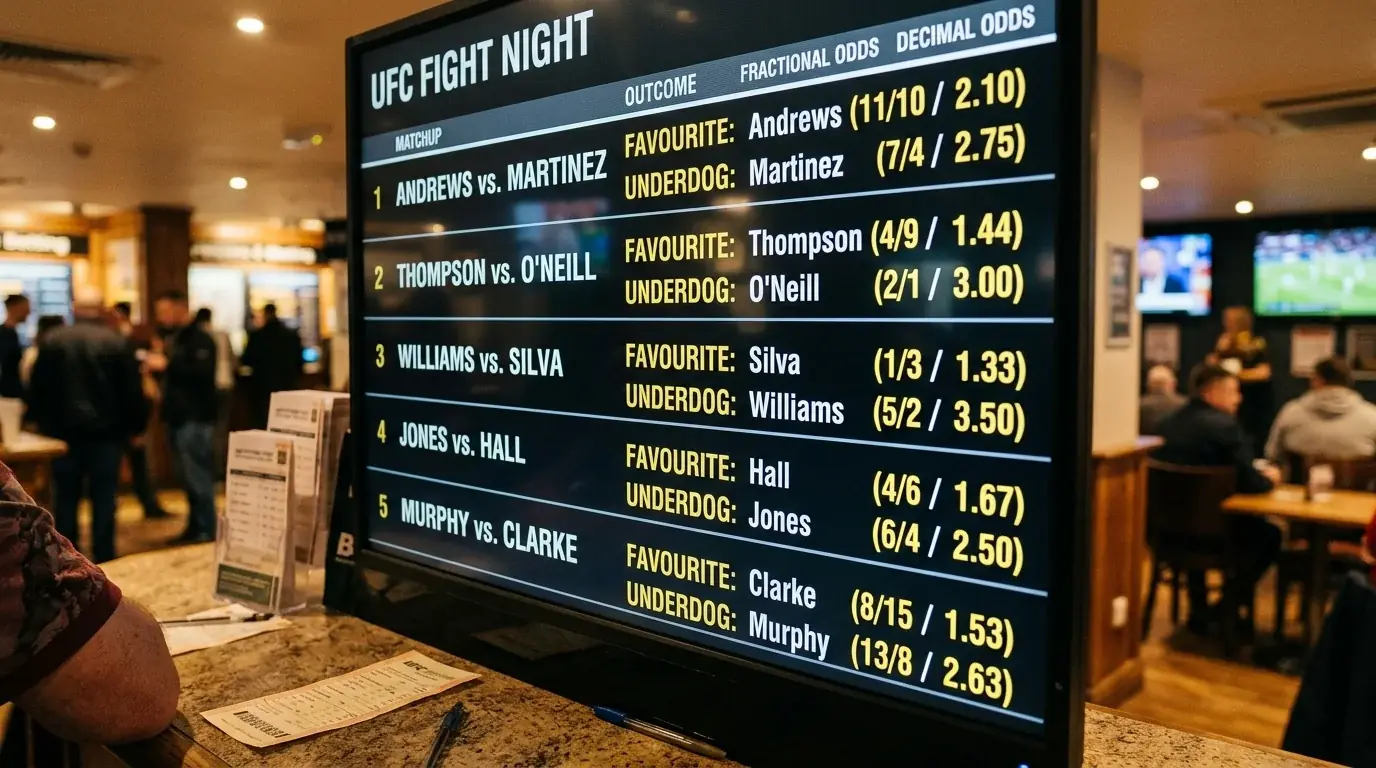
The difference is outcome distribution. In football, a 1.80 favourite wins roughly as often as the odds imply. The variance is moderate and distributed across 90 minutes of relatively predictable gameplay. In MMA, a -200 favourite can be knocked unconscious in the first exchange of the fight. The 53% finish rate means that nearly half of all fights end before the scorecards, and finishes are inherently less predictable than decisions.
Horse racing bettors face similar volatility, but they compensate with high volume — dozens of races per day allow them to rely on the law of large numbers. UFC bettors get 12-14 fights per card and roughly 40 cards per year. That is around 500 bettable fights annually, which is enough for your edge to express itself — but only if your staking keeps you solvent through the inevitable cold stretches.
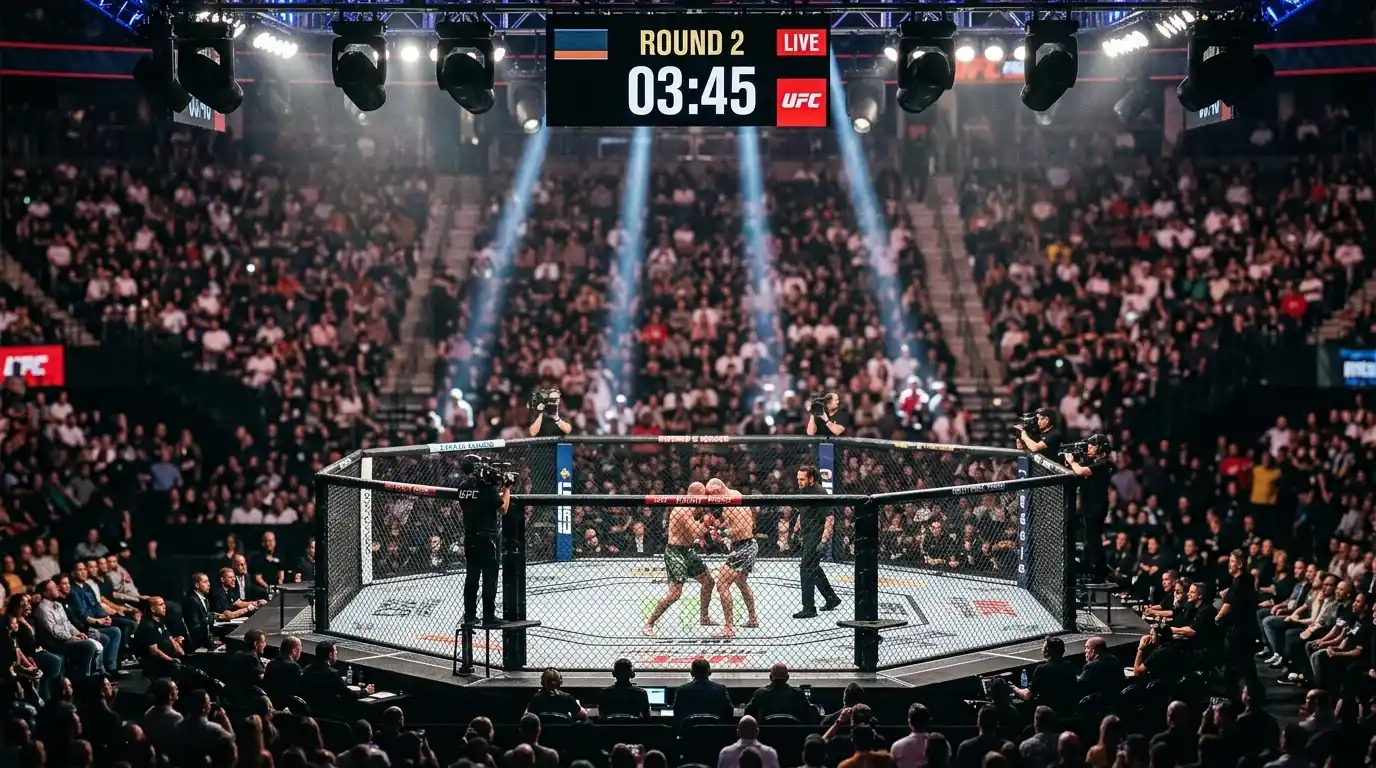
The practical implication: use smaller units than you would in football, be more selective about which fights you bet, and never treat a stacked card as an invitation to increase your exposure. A 14-fight card is not 14 separate opportunities — it is one evening of correlated risk, because judging patterns, referee tendencies, and cage conditions affect every bout on the card.
Integrating Bankroll Rules With Your Betting Strategy
Bankroll management and betting strategy are not separate disciplines — they are two halves of the same system. Your staking plan should reflect your strategy’s strengths and weaknesses.
If your edge comes from method of victory markets, where payouts are higher but hit rates are lower, your units should be smaller — closer to 1% — because you need the bankroll to survive longer losing streaks between wins. If your edge is moneyline picks on moderate favourites, you can stake slightly higher because the hit rate provides more frequent bankroll replenishment.
I review my staking plan every quarter alongside my tracking data. If my ROI on underdog picks has been consistently positive, I allocate slightly more of my bankroll to that bet type. If my prop bet performance has been poor, I reduce allocation rather than abandoning the market entirely. The bankroll is a resource that should flow towards whatever your data says is working, not towards whatever feels exciting on fight week.
The goal is not to maximise any single bet’s return. The goal is to be placing bets five years from now with a bankroll that has grown through disciplined compounding rather than survived through luck.
See also: new to MMA betting? Start with our UFC betting for beginners guide.
UFC Bankroll Questions
What percentage of bankroll should I stake per UFC bet?
Between 1% and 2% of your total bankroll per wager. MMA’s higher volatility — with a 53% finish rate and frequent upsets — demands smaller unit sizes than football or other team sports. A tiered approach using 1 unit for standard bets and up to 2 units for strong edges provides flexibility without excessive risk.
How much money do I need to start betting on UFC seriously?
A practical starting point for UK punters is between 200 and 1,000 pounds, set aside as a dedicated fund separate from personal finances. The amount matters less than the discipline of treating it as a fixed bankroll with defined unit sizes, drawdown thresholds, and quarterly review points.
Should I use a separate bankroll for MMA betting?
Yes. MMA’s volatility profile differs significantly from football, racing, or other sports, so mixing bankrolls obscures your true performance in each market and tempts you to subsidise MMA losses with football profits. A dedicated MMA bankroll with its own unit sizing and drawdown rules gives you clearer data and better emotional discipline.
Prepared by the ufc Betting Tips editorial staff.