UFC Betting and Social Media: Evaluating Tipsters in the TikTok Era
 Available in US

50 Billion MMA Views on TikTok — and Most of the Betting Tips Are Noise
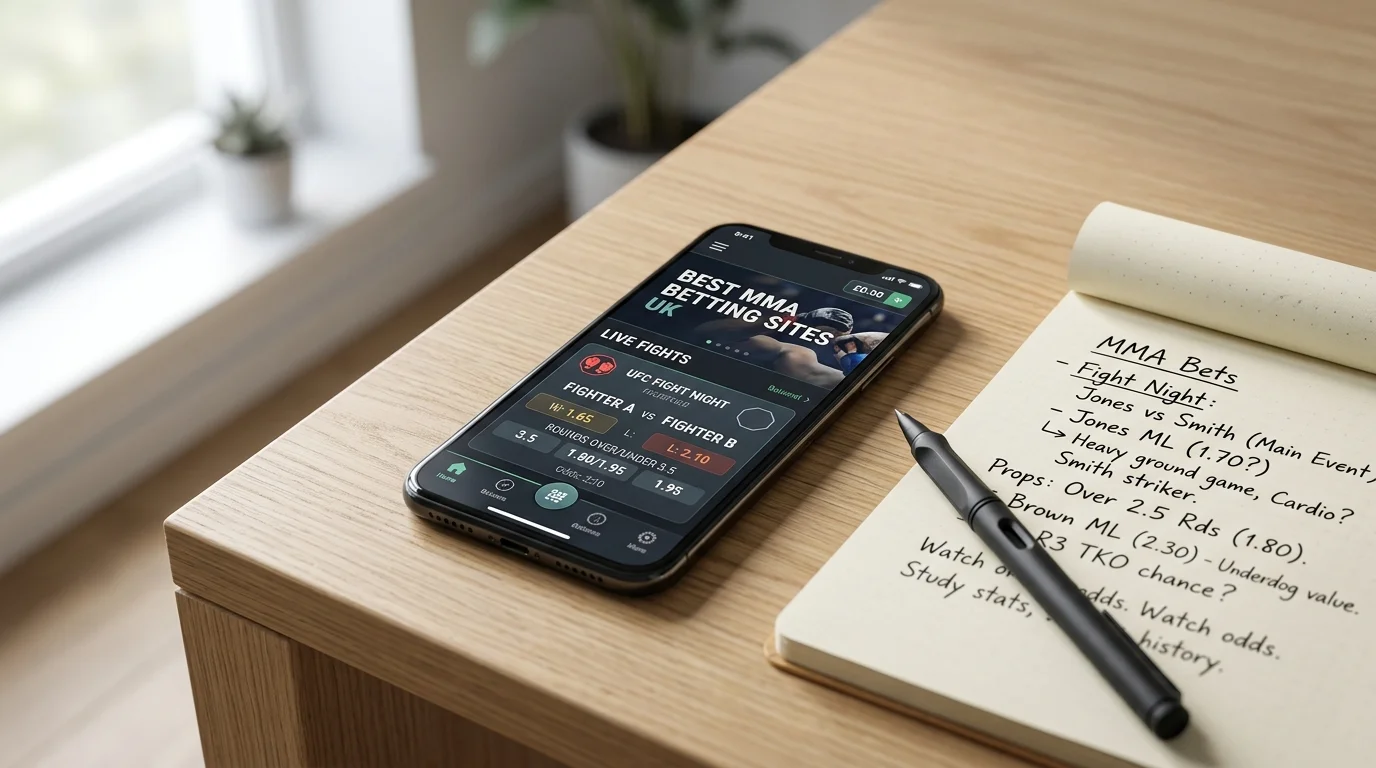
Open TikTok on any fight week and the algorithm will flood your feed with UFC betting tips within minutes. Confident voices, flashy graphics, promises of “locks” and “guaranteed winners.” MMA content on TikTok generated fifty billion views in 2023 alone, with thirty-five per cent of that content consisting of fighter highlights — and a growing slice dedicated to betting picks. The audience is there, the engagement is enormous, and for every genuine analyst sharing thoughtful breakdowns, there are dozens of accounts whose primary skill is producing compelling content rather than profitable picks.
I have been analysing UFC betting markets for nine years, and the explosion of social media tipsters in the last three years has been the most significant shift in how recreational bettors consume information. The democratisation of analysis is broadly positive — more people thinking critically about fights is good for the ecosystem. But the democratisation of influence is a problem when followers cannot distinguish between a tipster with a verified profitable track record and one with a talent for editing highlight reels. The sixty-two per cent of MMA fans aged eighteen to thirty-four — the demographic most active on TikTok and Instagram — are also the demographic most likely to follow tips without verification, and the financial consequences compound over time.
How to Evaluate a UFC Tipster’s Track Record
The single most important question you can ask about any UFC tipster is: “Can you prove your results?” Not show me your best picks, not tell me your win rate — prove it, with a transparent, independently verifiable record that includes every bet placed, not just the winners.
A credible tipster record includes the following elements. Every pick must be time-stamped before the event, not posted retroactively. The odds at which the pick was given must be recorded — a pick that wins at -110 and a pick that wins at -500 have completely different implications for profitability. The full history must be visible, including losing streaks and drawdown periods. If a tipster shows you a screenshot of five winning picks from last Saturday but does not show you the three losing picks from the Saturday before, the record is meaningless.
Third-party verification platforms exist specifically to address this problem. Services that require tipsters to submit picks before events and automatically track results against closing odds provide the most reliable assessment of actual performance. If a tipster claims a sixty per cent win rate but refuses to use a verification platform, that refusal tells you more than any claimed statistic. The legitimate tipsters I respect in the MMA space all welcome external verification because their results support their claims. The ones who rely on screenshots and self-reported statistics almost never hold up under independent scrutiny.
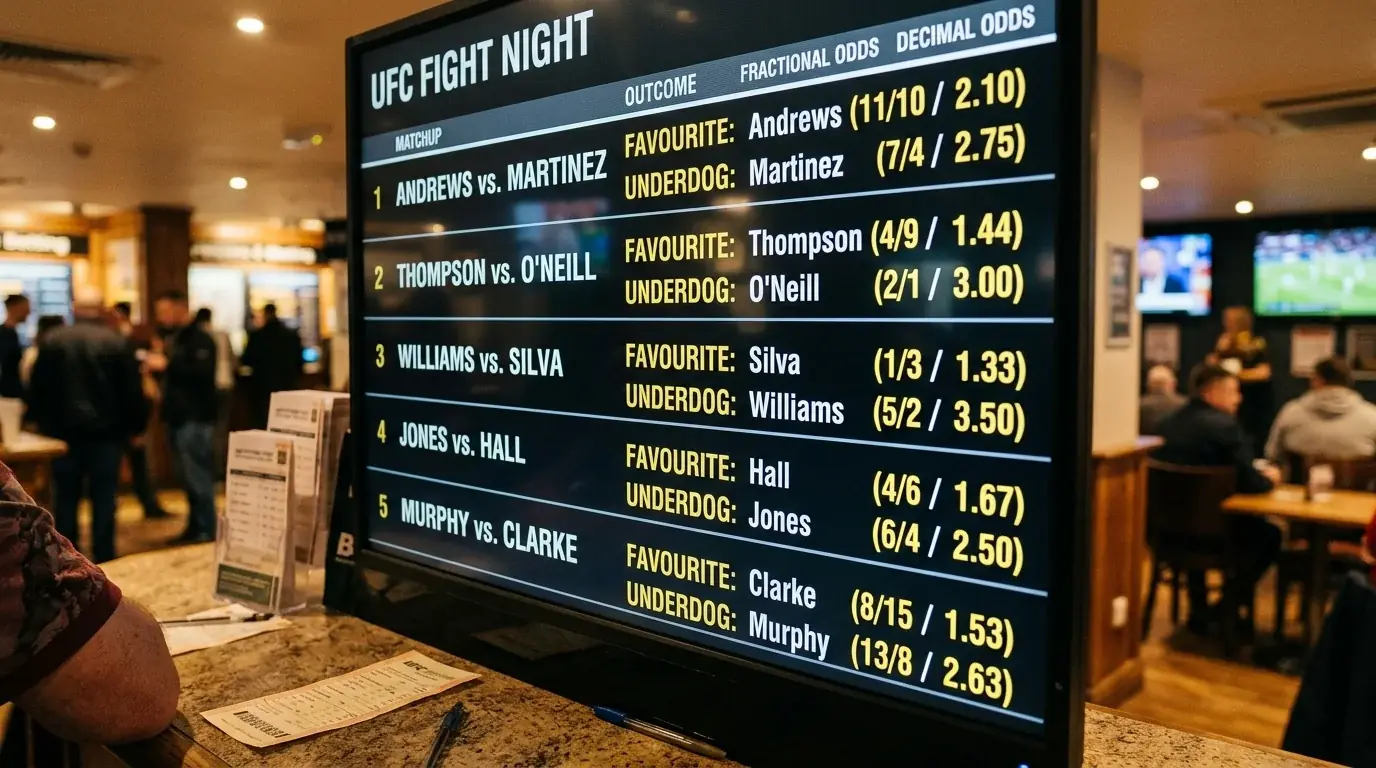
When evaluating a claimed win rate, context matters enormously. A sixty per cent win rate on moneyline favourites averaging -250 is a losing record — the odds require roughly seventy-one per cent accuracy to break even. A fifty-three per cent win rate on a mix of underdogs and slight favourites averaging +120 is a profitable record. The metric that matters is not win rate in isolation but return on investment — total profit divided by total stakes — over a sample of at least one hundred tracked bets. Anything below a hundred bets is too small to distinguish skill from luck.
Red Flags: Signs of a Fake or Misleading MMA Tipster
Nine years of watching tipsters come and go has taught me to recognise the warning signs quickly. The most reliable red flag is language that promises certainty. Phrases like “guaranteed winner,” “can’t-lose parlay,” and “lock of the century” are marketing, not analysis. In a sport where fifty-three per cent of fights end in a finish and a single punch can invalidate any prediction, no outcome is guaranteed. A tipster who speaks in certainties is either dishonest or lacks the understanding of variance that serious MMA analysis requires.
A second red flag is the absence of losing picks in their public record. Every successful bettor loses regularly — a profitable MMA tipster might lose forty to forty-five per cent of their bets while still generating positive ROI through smart odds selection and staking. If a tipster’s feed shows an unbroken string of winners, they are deleting their losing picks, posting retroactively, or selectively showing results from their best period. Check the timestamps carefully; if a pick appears on social media after the fight has already started, it is worthless regardless of the outcome.
The third red flag is heavy promotion of specific bookmakers or deposit bonuses as the primary content. Tipster accounts that spend more time pushing affiliate links than analysing fights are monetising through referral commissions, not through betting expertise. Their incentive is to drive sign-ups, not to provide winning picks. This does not mean every tipster with a bookmaker partnership is fraudulent — affiliate income is a legitimate revenue stream — but if the ratio of promotional content to analytical content exceeds fifty per cent, the account exists to sell bookmaker access rather than betting insight.
Watch also for vague pick phrasing that allows retroactive reinterpretation. “I like Fighter A in this one” is not a pick — it is a statement that can be reframed as “I said I liked him, not that I bet on him” if the pick loses. Legitimate tipsters specify the exact market, the odds, and the stake. “Fighter A moneyline at -150, two units” is a pick. Anything less specific is content, not a bet recommendation.
Verified Results vs Screenshots: Telling the Difference
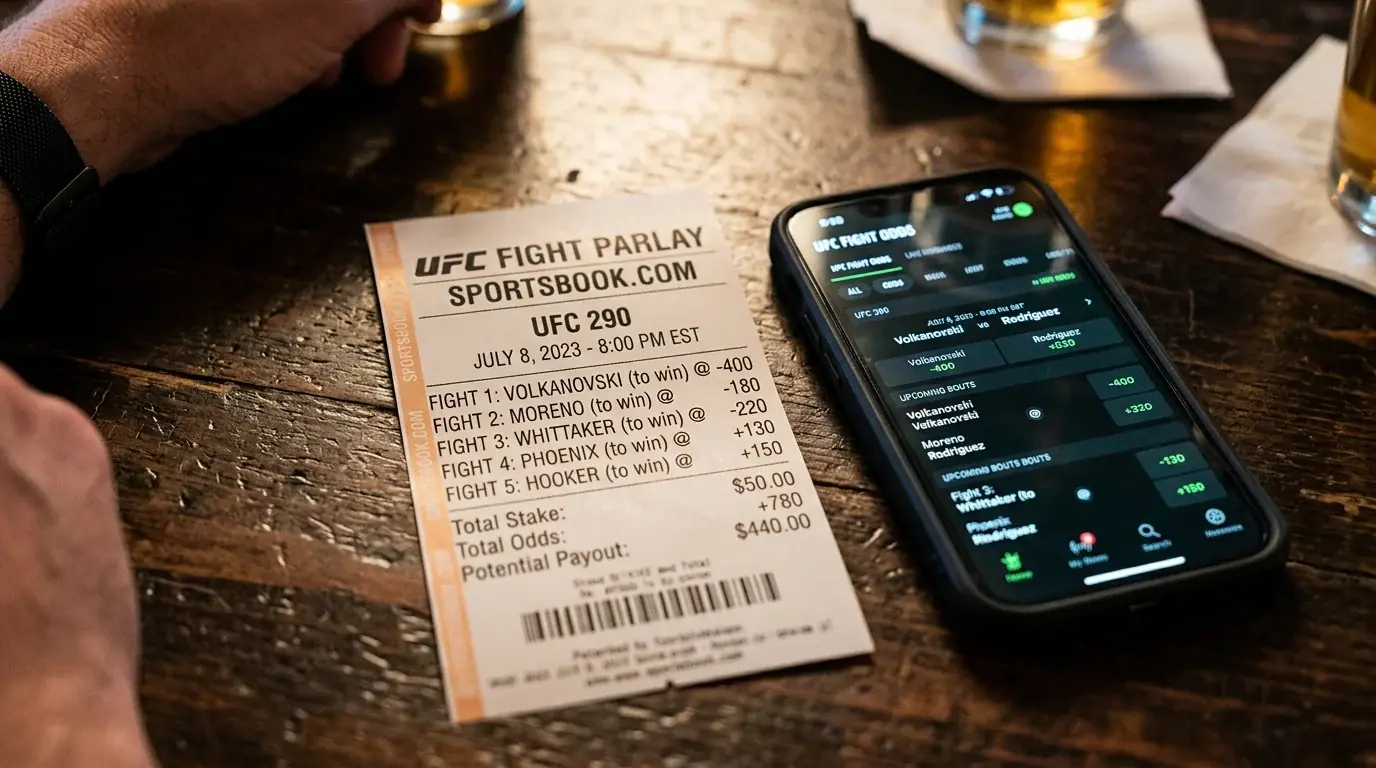
The gap between a screenshot of a winning bet slip and a verified performance record is the gap between entertainment and evidence. Screenshots prove one thing: that a specific bet won at a specific time. They prove nothing about the bettor’s overall record, their losing bets, their staking discipline, or their long-term profitability. I could show you a screenshot of my biggest UFC win — a four-leg parlay that returned twenty-two-to-one — without mentioning that I lost eleven of my next fourteen bets. The screenshot is real; the narrative it creates is fiction.
Verified results require either a third-party tracking platform or a fully transparent, time-stamped public ledger that includes every pick, every outcome, and every stake. The key features to look for are: pre-event time stamps that cannot be edited, automatic recording of results, and a full history that includes both winning and losing periods. Some tipsters maintain public spreadsheets with this level of transparency — those spreadsheets are worth examining. Others use platforms that automatically track and verify their picks against closing odds.
The sample size threshold matters here as well. A tipster with twenty verified picks and a seventy per cent win rate might be on a hot streak that says nothing about their long-term skill. A tipster with three hundred verified picks and a fifty-five per cent win rate on an average odds of +110 has demonstrated something meaningful. The law of large numbers is the bettor’s best tool for distinguishing skill from variance, and it applies equally to evaluating your own record and to evaluating someone else’s.
My recommendation for anyone following UFC tipsters on social media: follow the analysis, not the picks. A tipster who explains their reasoning — citing matchup dynamics, divisional trends, statistical comparisons — teaches you something even when their pick loses. A tipster who posts “Fighter A, trust me” teaches you nothing even when their pick wins. The goal is not to find someone who picks winners for you but to develop your own analytical framework informed by the best available thinking.
UFC Tipster and Social Media Questions
How do I know if a UFC tipster’s record is genuine?
Look for pre-event time stamps on every pick, odds recorded at the time of the recommendation, a full visible history including losing streaks, and ideally verification through a third-party tracking platform. If a tipster refuses external verification or only shows winning picks, their record should not be trusted.
Should I follow UFC betting accounts on TikTok?
Follow them for entertainment and analysis, but verify any claims independently before committing money. The format incentivises confidence and entertainment value over accuracy, and the most engaging content is not necessarily the most profitable. Use social media tipsters as one input among many, not as your sole source of betting decisions.
What is a realistic win rate for a professional MMA tipster?
A profitable MMA tipster typically wins between fifty and fifty-eight per cent of their bets, depending on the average odds of their picks. Win rate alone is meaningless without context — a fifty-two per cent win rate on underdog picks averaging +150 is highly profitable, while a sixty per cent win rate on heavy favourites averaging -300 is a losing record. ROI over a hundred-plus bet sample is the metric that matters.
Written by the editors at ufc Betting Tips.