UFC 2026 Calendar and Betting: The Events UK Punters Should Watch
 Available in US
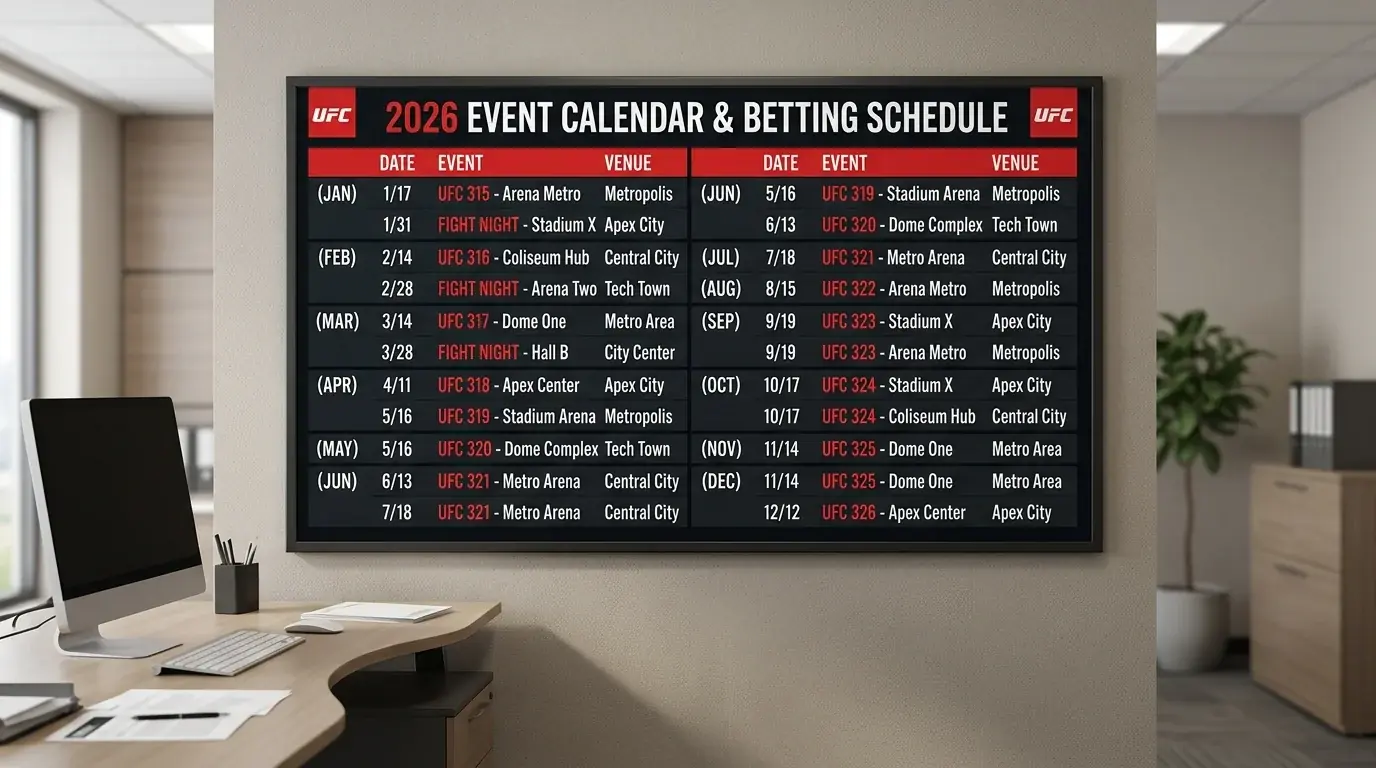
The 2026 UFC Calendar Is the Most Ambitious Yet — Here Is What Matters for Bets
Every year the UFC pushes the event calendar further, and 2026 is the most packed schedule the organisation has ever assembled. New broadcast partnerships, landmark venue announcements, and a restructured card format mean that the betting landscape for this year looks materially different from anything that came before. For UK punters, the expanded calendar creates more opportunities — but also demands sharper selectivity about which events deserve your bankroll’s attention.
UFC Freedom 250 — the organisation’s planned event on the White House lawn — has already generated more pre-event media coverage than any card since UFC 300. Dana White has positioned it as a record-breaking spectacle, and the betting handle for the event is expected to dwarf typical numbered cards. But Freedom 250 is just the headline. The broader calendar shift, driven by the Paramount deal and the CBS debut, is reshaping which events attract the most betting volume, which card positions generate the sharpest odds, and how seasonal patterns affect line movement across the year.
Freedom 250, International Cards, and CBS Headliners
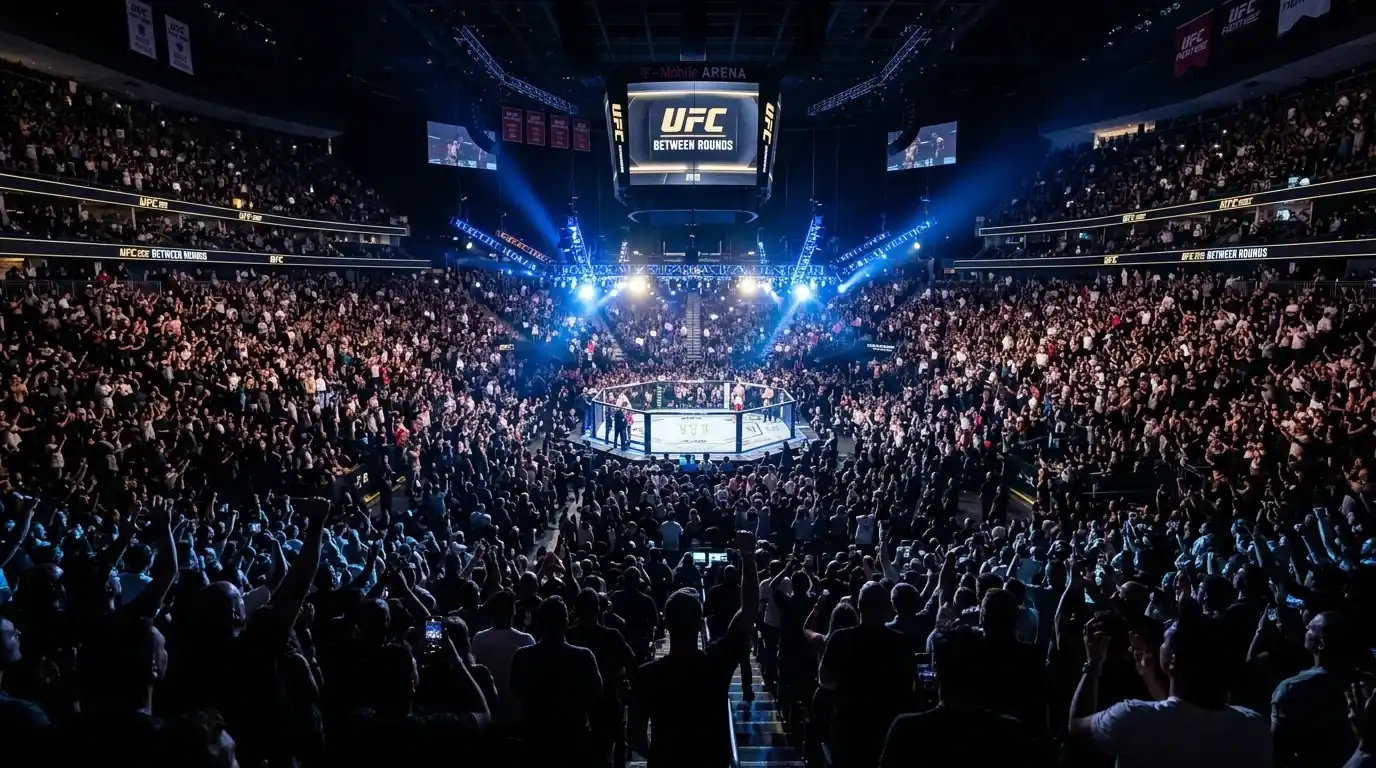
UFC Freedom 250 is scheduled for June 2026 on the White House lawn, and the anticipation around this event is unlike anything the sport has produced. The unique venue, the political optics, and the expected stacking of title fights on the card mean the betting markets will be deeper and more liquid than for a standard numbered event. For bettors, this liquidity is a double-edged sword — sharper lines mean less mispricing on the main card, but the influx of casual money on the prelims and undercard creates potential value for those who do the homework on lesser-known fighters.
The CBS debut in March 2026 — UFC 326 — drew 2.47 million viewers, the largest UFC audience on linear television since 2016. That viewership number matters for bettors because it signals a new tier of casual engagement. When the UFC averaged 500,000 to 800,000 viewers on ESPN+ pay-per-view events, the betting pool was dominated by knowledgeable MMA fans. With 2.47 million watching on free-to-air CBS, a significant portion of the betting handle now comes from viewers who may have limited familiarity with the undercard fighters. This influx of less-informed money on CBS cards creates pricing opportunities that did not exist during the ESPN era.
International cards continue to anchor the calendar, with events in the Middle East, Europe, Asia, and South America. For UK punters, the European cards — typically held in London, Paris, or elsewhere on the continent — offer convenient start times and tend to feature fighters with larger UK followings. The betting dynamics on European cards differ from US-based events: UK bookmakers price these cards more aggressively because the handle is higher from their core customer base, which can mean tighter margins but also more promotional offers and enhanced odds around marquee European fights.
Seasonal Betting Patterns Across the UFC Calendar
After nine years of tracking my own results against the UFC calendar, I have noticed seasonal patterns that are subtle but persistent enough to factor into annual planning.
The first quarter — January through March — tends to produce the thinnest cards of the year. The UFC historically schedules fewer numbered events in this window, and the Fight Night cards that fill the gap often feature thinner rosters. For bettors, Q1 is a period of lower handle and wider odds on undercard fights, which can create value opportunities if you are willing to bet on less recognisable names. The MMA betting handle of $10.3 billion in 2024 was not evenly distributed across the year — a disproportionate share concentrated around marquee events in the summer and autumn, leaving Q1 markets less efficient.
The summer window — June through August — is historically the UFC’s tent-pole season. International Fight Week, which traditionally anchors a major numbered event in Las Vegas around July, generates the highest single-event handle of the year. Freedom 250 in June 2026 is positioned to absorb much of that energy this year, potentially pulling handle forward from July. For bettors, the summer events attract the most casual money, which means the sharpest mispricing opportunities — but also the most media noise to filter through.
The fourth quarter brings its own dynamics. As Dana White stated in his communication about supporting the legal betting ecosystem, the UFC views its relationship with licensed operators as a long-term partnership — and Q4 events are often structured to maximise end-of-year engagement for both broadcasters and bookmakers. November and December cards frequently feature grudge matches, title unifications, and high-profile rematches designed to capture attention during the competitive sports calendar window shared with the NFL, Premier League, and college football. The betting markets for these events are liquid and well-priced, but the volume of competing sports content means bookmakers sometimes allocate less attention to undercard MMA pricing, creating small windows of inefficiency.
Fight Night Frequency and Its Effect on Betting Volume
The Paramount deal has restructured how UFC distributes its content across the calendar, and the increased frequency of Fight Night cards is the most direct consequence for bettors. Under the ESPN model, the UFC scheduled roughly forty to forty-five events per year, split between numbered PPV cards and Fight Night events. The Paramount structure maintains a similar total but shifts the balance toward more televised Fight Night cards on CBS and Paramount+, reducing the PPV exclusivity that previously concentrated handle on twelve to fourteen numbered events.
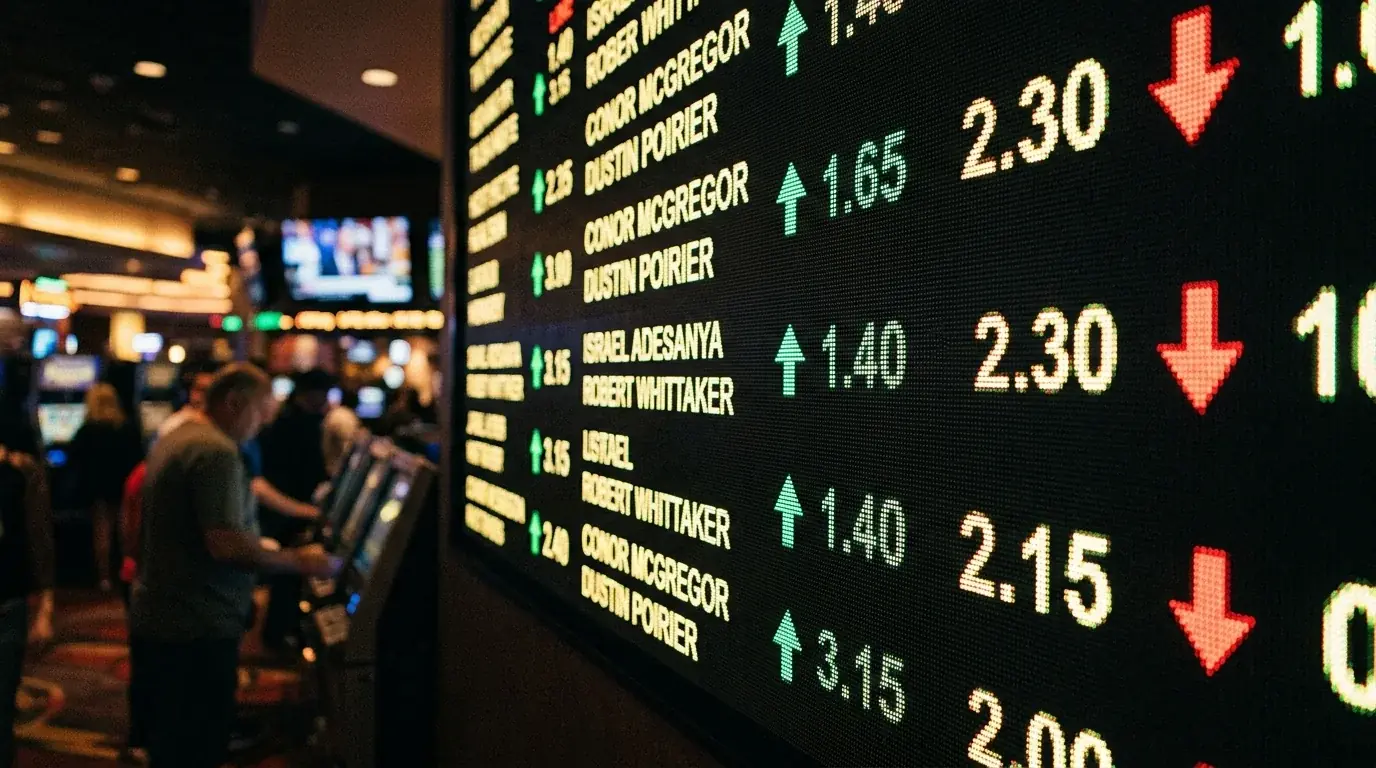
For bettors, more Fight Night cards means more betting opportunities per month but lower average handle per event. The advantage of lower handle is less efficient pricing — bookmakers devote less analytical resource to a Fight Night prelim than to a numbered event main card, and the resulting odds are softer. The disadvantage is reduced liquidity, which means larger bets can move the line and closing line value becomes harder to capture at significant stakes.
The practical implication is to structure your annual betting approach around event tiers. Numbered events and CBS headliners attract the most casual money and the deepest markets — these are the events where undercard value is most likely and where your bankroll should be most active. Standard Fight Night cards offer fewer marquee matchups but softer odds on the fights that do appear. Mid-week or international Fight Nights with low UK viewership tend to have the widest odds spreads but the least reliable information flow, making them higher-risk, higher-potential-reward opportunities.
Across the full 2026 calendar, the volume of UFC content available for betting is unprecedented. The combination of CBS broadcasts, Paramount+ streaming, and the traditional Fight Night schedule means a UK punter can bet on UFC events nearly every weekend of the year. The discipline required is not finding opportunities — they are everywhere — but selecting the ones where your edge is strongest and your bankroll exposure is controlled. A calendar this packed rewards patience and selectivity far more than it rewards volume.
UFC 2026 Events and Betting Questions
What is UFC Freedom 250 and when is it?
UFC Freedom 250 is a landmark event scheduled for June 2026, planned to be held on the White House lawn. It is expected to feature multiple title fights and generate record-breaking viewership and betting handle. The unique venue and political significance make it the most anticipated UFC event of the year.
Do major UFC events attract different odds than regular cards?
Yes. Major numbered events and CBS headliners attract higher betting volume, which generally produces sharper main-card pricing but creates more casual-money-driven mispricing on undercards and prelims. Regular Fight Night cards have lower handle and wider odds spreads, offering different types of value opportunities.
Which 2026 UFC events will be broadcast on CBS in the UK?
The UFC’s Paramount deal includes CBS broadcasts for select major events, with UFC 326 in March 2026 being the debut. Additional CBS cards are expected throughout the year, though the specific UK broadcast arrangements depend on regional distribution agreements. UK punters can typically access these events through Paramount+ or TNT Sports, depending on the licensing terms in effect.
Prepared by the ufc Betting Tips editorial staff.